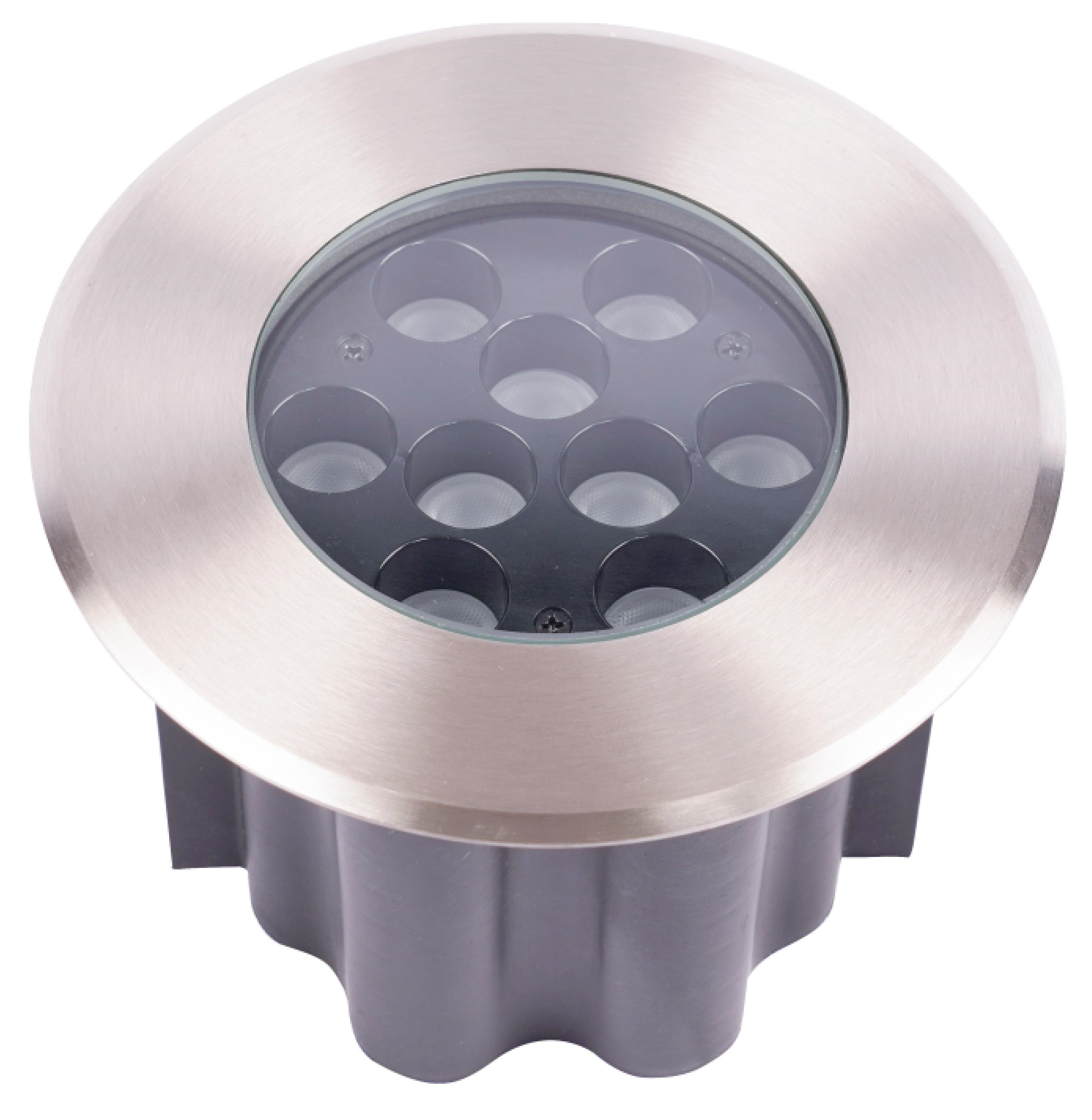
Custom Underground Light Procurement Guide: How to Pick Professional & Reliable Manufacturers
Visited: 41
Publish Time: 2026-06-30 18:43
Common Pain Points of Custom Underground Lights – Have You Encountered Them?
With the development of outdoor landscape lighting and cultural tourism night tour projects, an increasing number of projects require customized underground lights to meet personalized design requirements. However, many purchasers in the industry have run into various troubles: standard products lack precise light control, resulting in light spillage and light pollution; subpar waterproof performance leads to frequent malfunctions after prolonged exposure to rainwater outdoors; suppliers have limited customization capacity and cannot satisfy special optical and structural requirements of projects; post-installation maintenance is extremely difficult, as excavating the ground for repairs incurs high costs and disrupts normal project operation.
This article sorts out a professional evaluation framework for purchasing custom underground lights, helping you clarify assessment criteria and select products and suppliers that fully match your demands.
Five Core Evaluation Standards for High-Quality Custom Underground Lights
1. Precise and Controllable Optical Design Capability
A premium custom underground light first delivers accurate beam control. It supports adjustable beam angles to confine light strictly within target areas according to scene demands. This not only creates layered lighting effects as designed for landscapes, but also eliminates wasted light, cuts overall energy consumption and mitigates light pollution.
2. All-Scenario Adaptable Weather Resistance & Waterproof Performance
Buried underground long-term, underground lights are exposed to harsh outdoor conditions including rainfall, standing water and extreme temperature fluctuations. Superior waterproofing and weather resistance are therefore core prerequisites. Top-tier products adopt an integrated sealed structure and corrosion-resistant housings with high waterproof ratings, adaptable to complex environments such as waterfront and mountainous areas without premature failure over long-term use.
3. Flexible Customization Capability
Projects have diverse requirements for underground light power output, beam angles, appearance dimensions and color modes. Qualified suppliers must offer full-process customization ranging from optical design to structural modification, developing tailor-made solutions for specific site conditions rather than only supplying off-the-shelf standard fixtures.
4. Modular Design for Convenient Operation & Maintenance
Embedded underground fixtures bring great challenges to post-installation servicing. Premium lights feature detachable modular construction; faulty modules can be replaced individually without excavating and removing the entire luminaire, drastically cutting maintenance time and costs while minimizing disruption to project operation.
5. Complete Compliance Certifications
Compliant products are a basic requirement for municipal, cultural tourism and large-scale projects. Suppliers shall provide full certifications issued by professional authorities to ensure products meet domestic and international safety and environmental standards, lowering risks during project acceptance.
Three Misconceptions to Avoid When Purchasing Custom Underground Lights
1. Focusing solely on upfront procurement cost while ignoring long-term operating expenses
Many purchasers prioritize low-bid products, yet cheap fixtures usually cut corners on waterproofing, raw materials and optical design. They tend to suffer rusting and breakdowns within 1–2 years, with annual replacement and maintenance expenses far exceeding the initial price gap, driving up overall project costs in the long run.
2. Overlooking customization capacity and forcing standard products to fit unique project needs
Some suppliers only offer fixed-size, fixed-beam standard lights. To push projects forward, purchasers force these generic products into use, resulting in lighting outputs that fail to meet design expectations, ruin layered atmospheric landscape effects and degrade overall project quality.
3. Neglecting maintainability design and adding persistent operational burdens
Most traditional underground lights adopt one-piece integrated structures. Any malfunction requires full excavation and removal of the fixture, which is time-consuming and damages pavement. For long-running municipal and cultural tourism projects, this creates continuous heavy maintenance burdens.
Summary: Final Recommendations for Selecting Custom Underground Lights
After reviewing the above standards and common misconceptions, conduct supplier and product assessments based on the following key points:
Prioritize suppliers with advanced optical beam control technology, and select fixtures with adjustable beam angles to guarantee ideal lighting performance and energy efficiency
Verify waterproof ratings and weather resistance thoroughly, and pick products with suitable protection levels matching your project’s environment to avoid frequent later-stage failures
Confirm suppliers’ customization capabilities in advance, verifying their ability to fulfill personalized optical and structural project requirements
Partner with fully certified suppliers with abundant project experience to reduce risks in compliance and on-site implementation
Format Description
Hierarchical structure fully consistent with the original Chinese text: title → introductory paragraph → secondary heading (Five Core Standards) → tertiary numbered subheadings → secondary heading (Three Misconceptions) → tertiary numbered subheadings → summary heading → bullet point recommendations
Bold heading levels match the original text’s font size hierarchy; paragraph breaks, line spacing and indentation follow the source layout
Industry-specific lighting terminology adopts international standard English expressions for landscape engineering & lighting procurement