



Industry Trend Analysis of Narrow-beam Floodlights
Driven by accelerated urbanization, cultural tourism upgrading and continuous renovation demands for urban nightscape lighting, China’s outdoor landscape lighting market exceeded 100 billion yuan in scale in 2023. As a core product for precision lighting, narrow-beam floodlights have seen surging demand in ancient building preservation, highlighted architectural facade lighting and scenic light shows. The industry is undergoing a pivotal shift from flood lighting to precision lighting, with technological advancement and changing demands reshaping the competitive landscape.
Trend Analysis: Three Core Forces Driving Industry Transformation
Escalating Requirements for Precise Light Control
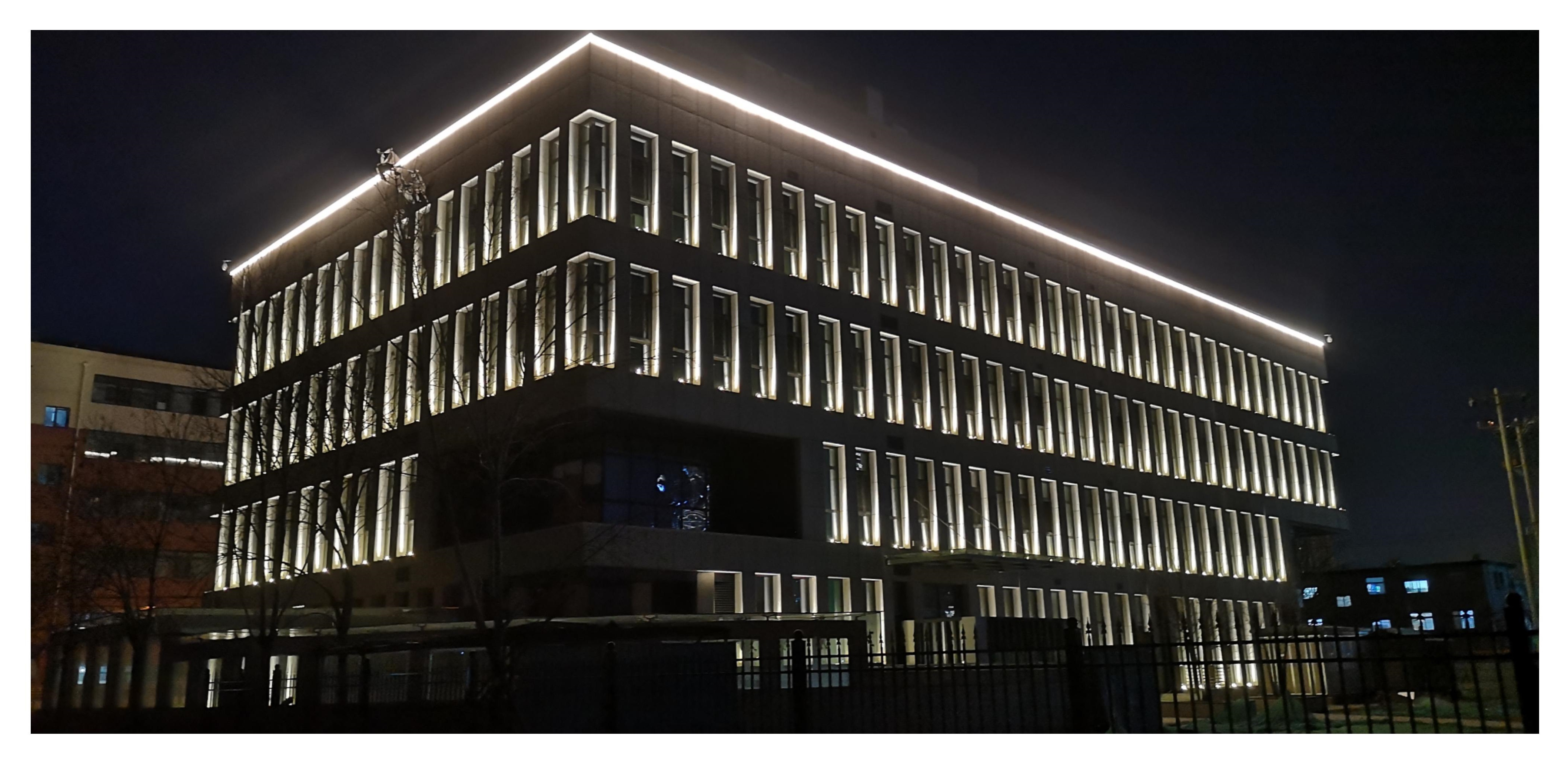
Higher standards for nightscape aesthetics and stricter light pollution control raise the bar for floodlight accuracy. Conventional wide-beam lights suffer severe light spill, excessive energy consumption and compromised scenic beauty, failing high-end lighting projects. Ultra-narrow precise beam control has become an industrial standard. Products featuring adjustable beam angles ranging from 1° to 30° with even light spots and zero stray light will dominate the market.
Customization and Full Power Range Compatibility Become Essential
Lighting projects vary greatly in required power, beam angle and appearance, making standard products inadequate. Custom demands for 30W, 40W, 50W and other narrow-beam floodlights keep rising. Clients prioritize manufacturers with efficient customization and OEM/ODM capabilities. Enterprises covering a full power spectrum and rapid customized production will gain competitive edges.
Energy Conservation and Intelligent Function Become Mandatory
Under the national dual-carbon goals and environmental policies, energy efficiency has become a basic requirement. Integrated IoT and sensor technologies also fuel intelligent upgrading of narrow-beam floodlights. Products cutting energy consumption by over 30% and supporting intelligent dimming and remote monitoring fit long-term project operation needs. Energy saving and intelligence are no longer optional advantages but basic market access qualifications.
New Core Competencies Enterprises Must Cultivate
Traditional competition relying on low prices and standardized mass production is no longer viable. Leading enterprises need three key strengths: first, proprietary precise beam control technology to meet lighting quality and anti-light pollution standards; second, independent R&D and full-chain customization capacity to satisfy diversified parameter and OEM/ODM demands; third, complete certification qualifications and mature project experience to ensure stable operation under harsh outdoor conditions. Enterprises lacking these strengths will be phased out, while early movers will seize market advantages.